 Security Alarms
Categories
- Conventional fire alarm systems
- Wireless Fire Alarm System
- LPCB addressable fire alarm
- Gas detection alarm system
- Electrical Fire Monitoring
- Addressable fire alarm system
- Fire Alarm Fire Extinguishing
- Fire Alarm gas fire-extinguish
- Commercial Burglar Alarm System
- Security Service Equipment
- Commercial security solutions
- Industry Security Equipment
Manufacturers
Languages


Wireless Fire Alarm System Installation Steps
Wireless Fire Alarm Control Panel - Brief Installation & Debugging Steps
1. Pre-Installation Preparation
Confirm the type, quantity and installation position of the control panel and field devices per construction drawings.
Determine the number of control panels based on the total number of field devices.
2. Network Configuration & Device Access
2.1 Network Segment Setting
Enter the control panel menu: Menu → 6 Network Setting → Enter password 111111 → 2 Wireless Setting to set the network segment (avoid signal interference by separating frequencies of different segments, e.g., 464.2MHz and 466.2MHz).
Set loop quantity (1~2), wireless address (1~254) and power consumption level (Lv1-Lv4; Lv4 is recommended, affecting battery life and maximum device load per loop: Lv1 for 32 devices, Lv2-Lv4 for 64 devices).
2.2 Device Network Access/Exit
Access: Menu → 5 System Settings → 111111 → 4 Wireless Registration → select loop (F1/F2) → start registration → adjust sensitivity (for smoke detectors) and device type → press the device’s network button 3 times (green light flashes 3 times for success).
Exit: Under wireless registration interface, press the device’s network button 3 times (green light flashes 3 times for success).
Status Test: Press the device’s network button once; green light flashes once and the control panel displays loop/address + signal strength (R/T, 0~130, smaller value = better communication) means successful access.
3. Communication Distance Test & Signal Extender Configuration
3.1 Distance Test
Check if the control panel receives the device’s signal at the designated position; add a TC-ZJ402 wireless signal extender if communication fails.
3.2 Extender Setting (2 Parts)
Control Panel Side: Menu → 6 Network Setting → 111111 → 5 Signal Extender Setting → set wireless loop, relay link (1~8), start/end device address and mode (0=Add); set separately for discontinuous device addresses.
Software Side: Connect RF470 communicator to PC → open debugging software → configure COM port, fill in control panel’s wireless address/ID, loop number and frequency → set extender parameters by floor (device type: 00X for direct transmission, X0X for relay transmission).
Extender Activation: Power on the extender → press the setting button 5 times (3 indicators flash) → send settings via software (100% progress = success) → press setting button again to exit setting mode (set one extender at a time).
3.3 Extender Communication Test
Check signal strength (fault light flashes 3 times and turns off = good signal; off after 3s = poor signal, adjust position).
Verify the control panel displays the device’s loop/address and signal strength (device to extender).
Max 8 extenders per loop, 5 extenders per relay link for the control panel.
4. Physical Installation
Two fixing methods: self-tapping screws (recommended, drill holes and install expansion plugs first) or 3M glue (only for non-drillable surfaces; ensure the surface is smooth, dry and clean; check adhesion regularly).
After installation, verify the control panel displays the device’s online status; add extenders if communication fails.
5. Control Panel Debugging & Linkage Test
Compile device annotation information and linkage programs per the coding table; upload via USB or manually input on the panel.
Linkage Test: Trigger alarms via MCP/smoke detector → check if linkage devices act → reset all devices and the panel after testing to save battery.
6. Acceptance Check
Conduct a comprehensive check of all functions (communication, alarm, linkage, extender operation); confirm normal operation for formal acceptance. Key Notes (Abbreviated)
Do not modify network segments after device access; avoid simultaneous network access for multiple control panels.
Match the control panel’s wireless address with the extender’s debugging software; power the extender with an adapter and install it away from electromagnetic interference/shielding areas.
Reset devices in time after alarm; restore factory settings for device deletion to avoid signal interference.
More Information
Bestsellers
- High Sensibility smoke and heat...
- Audio visual alarm conventional...
- Conventional fire alarm sounder...
- Conventional manual call point ...
- Horn strobe flash and sounder fire...
- PIR detector solar power wireless...
- Wireless infrared beam security...
- 2 fire zone Mini conventional fire...
- Wireless Manual Call Point
Specials [more]
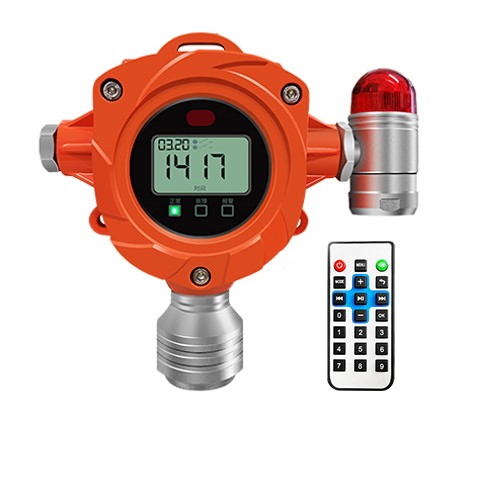
Gas H2S alarm explosion proof toxic gas detector
Save: 8% off
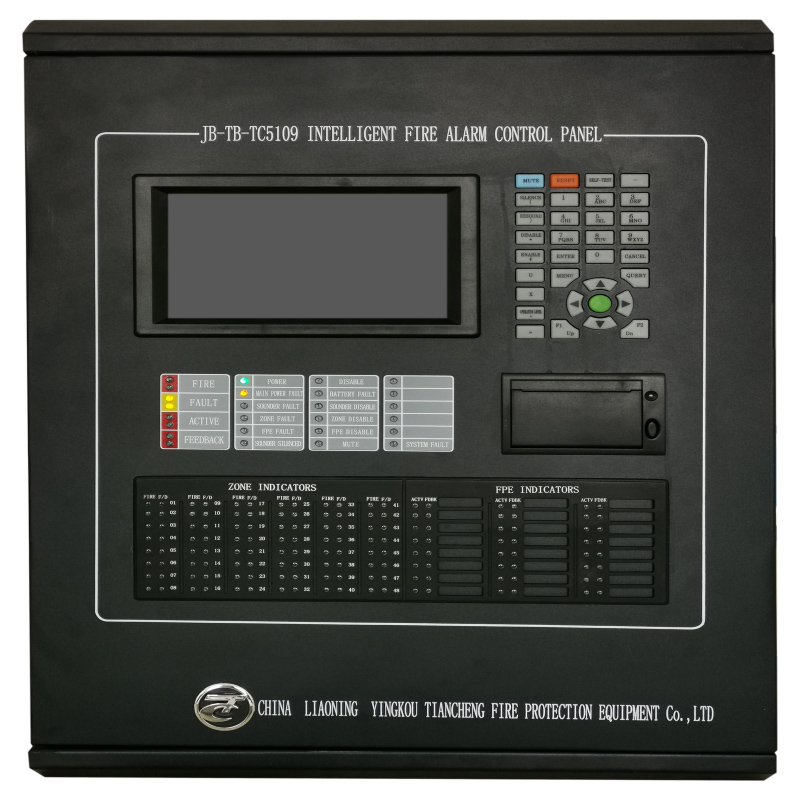
255 to 1020 point addressable fire alarm system LPCB
Save: 13% off